Finding the Right Fit: How Joe's Place Caring Cottage Stands Out in St. Louis Senior Care
@jnb0pb1n5u
October 7, 2026 · 7 min read
When my father first needed more support than I could give him from across town, I felt lost. The options in St. Louis seemed endless, but none of them felt right. Large corporate campuses felt impersonal. The staff turnover worried me. And the cost? It was a maze of hidden fees and confusing contracts. That is when a friend mentioned a small, family-focused residence that had helped her mother. She talked about a place where the caregivers knew each resident by name, where the meals were home-cooked, and where the philosophy was built on transparency. That place was Joe's Place Caring Cottage, and it changed how I thought about assisted living and memory care.
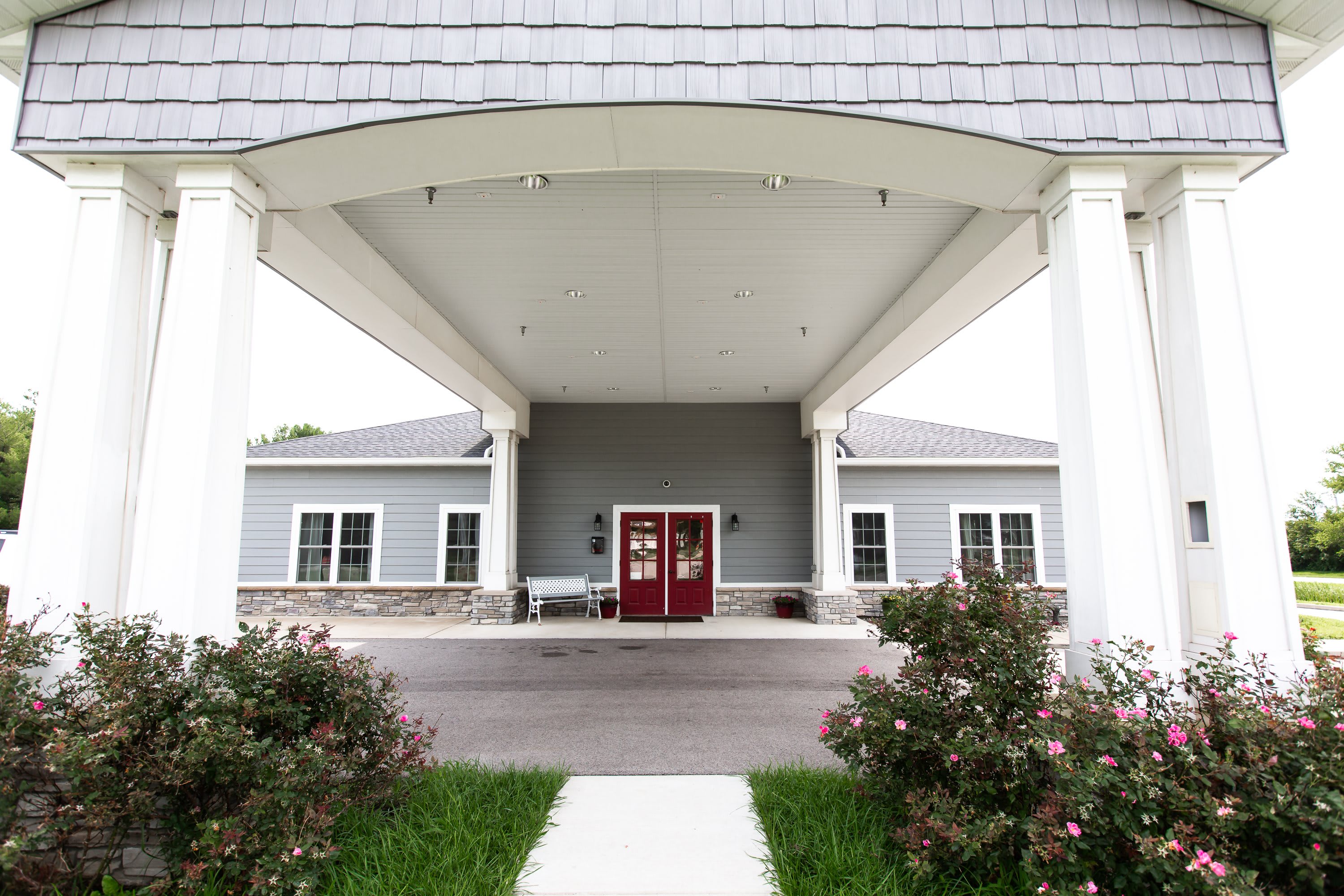
For families in the St. Louis metro area, the search for senior housing often feels like a compromise. You want safety and medical support, but you also want warmth and dignity. Large facilities can offer skilled nursing and a full activities calendar, but they sometimes sacrifice the personal touch. Small-scale facilities, on the other hand, often provide a more intimate setting where person-centered care is not just a buzzword but a daily practice. Joe's Place Caring Cottage is a prime example of the latter, operating as a cottage-style home that prioritizes family-focused care and transparency above all else.
Understanding the Cottage Model in Senior Care
The cottage-style approach is gaining traction across Missouri, and for good reason. Instead of a sprawling campus with hundreds of residents, these homes are designed to feel like actual houses. They typically serve between six and sixteen residents, creating a stable, family-like environment. This model is especially beneficial for those with dementia or Alzheimer's, where familiar routines and a calm setting can reduce anxiety and improve quality of life.
At Joe's Place Caring Cottage, the emphasis is on aging in place within a supportive community. Residents are not moved from wing to wing as their needs change. Instead, the care adapts around them. This continuity is crucial for memory care, where changes in environment can be deeply disorienting. The National Institute on Aging has long supported research showing that smaller, more personalized settings can lead to better outcomes for older adults, particularly those with cognitive decline.

Transparency: A Rare but Vital Ingredient
One of the biggest frustrations for families is the lack of clarity in senior care. Contracts are dense. Pricing is often opaque. And the real day-to-day experience can be very different from the glossy brochure. The site that hosts this directory, focused on the St. Louis metro area, makes transparency its cornerstone. It lists homes like Joe's Place Caring Cottage precisely because they operate with an open-door policy. Families are encouraged to visit unannounced, review care plans in detail, and speak directly with caregivers.
This transparency extends to financial matters. Unlike some larger chains that bundle services into a flat fee, Joe's Place Caring Cottage breaks down costs. You know exactly what you are paying for, whether it is assistance with bathing, medication management, or respite care. This clarity helps families plan better and reduces the stress of unexpected bills. The Alzheimer's Association offers guidelines on what to look for in a memory care facility, and transparency around staffing ratios and training is high on that list.
Family-Focused Care in Practice
Family-focused care means something specific at Joe's Place Caring Cottage. It means that family members are treated as partners in care, not just visitors. Monthly care conferences include the resident, their family, and the direct care staff. Decisions about daily routines, meal preferences, and activities are made collaboratively. This approach aligns with the principles of person-centered care promoted by organizations like the Caregiver Action Network and the National Institute on Aging.
I recall a specific example from my own experience. My father, who has early-stage dementia, was hesitant about moving into any facility. He feared losing his independence. During our first visit to Joe's Place Caring Cottage, the staff did not give us a sales pitch. Instead, they invited him to join a group making cookies in the kitchen. By the end of the afternoon, he was laughing with other residents. That organic moment of connection told me more than any checklist could. It was a small moment, but it showed the kind of warmth you cannot fabricate.
Navigating the Search for Assisted Living and Memory Care
Finding the right home is a process. The Elder Care Locator is a national service that can point families toward local resources. In the St. Louis area, a local directory like the one featuring Joe's Place Caring Cottage is invaluable because it focuses specifically on small-scale facilities. These directories often include detailed profiles, pricing ranges, and licensing information, which saves families hours of legwork.
When evaluating options, I recommend focusing on a few key areas:
- Staff stability: Ask about turnover rates. Small homes often have lower turnover because caregivers form real bonds with residents.
- Medication management: Understand how medications are tracked and administered. Is there a licensed nurse on staff or on call?
- Meals and nutrition: Visit during a meal. Is the food appetizing? Are special diets accommodated? Cottage-style homes often cook from scratch.
- Activities and engagement: Look for a variety of activities that match your loved one's interests and abilities.
- Safety and accessibility: Check for grab bars, emergency call systems, and secure outdoor spaces for those who wander.
Medicare does not typically cover room and board in assisted living, but it may cover certain medical services. It is important to verify what is included. Some families also explore long-term care insurance or veteran's benefits to offset costs. The key is to ask these questions early and get everything in writing.
The Role of Respite Care and Short Stays
Not every family is ready for a permanent move. Sometimes, a short stay for respite care can provide a much-needed break for caregivers or a trial period for a hesitant older adult. Joe's Place Caring Cottage offers respite stays, which allow families to experience the home without a long-term commitment. This can be a gentle way to introduce someone to a new environment. It also gives caregivers a chance to rest and recharge, which is vital for their own health.
The Caregiver Action Network provides resources for family caregivers, including tips on how to plan a respite stay. They emphasize the importance of clear communication about the resident's needs and preferences. A good facility will welcome that input and adjust their approach accordingly.
Why Small Scale Matters for Memory Care
For individuals with dementia, the physical environment matters deeply. Large, noisy spaces can trigger agitation. In contrast, a cottage-style home with a familiar layout, soft lighting, and easy access to a garden can promote calm and reduce wandering. Studies supported by the National Institute on Aging show that small-scale, homelike settings can improve sleep, mood, and social engagement among those with memory loss.
Joe's Place Caring Cottage is designed with these principles in mind. It is not a medical facility disguised as a home; it is a home that happens to offer medical support. The staff are trained in dementia care and use validation techniques rather than confrontation. This approach respects the resident's reality and reduces the need for antipsychotic medications, which are too often overused in larger settings.

Final Thoughts on Choosing Senior Housing
Choosing a home for a parent or spouse is one of the hardest decisions a family can make. There is no perfect option, but some are far better than others. The combination of transparency, family-focused care, and a small-scale environment makes places like Joe's Place Caring Cottage worth a serious look for families in the St. Louis metro area. It is not about finding a fancy building or the most amenities. It is about finding a place where your loved one can live with dignity, connection, and a sense of belonging.
Start your search early. Visit multiple homes. Trust your gut. And remember that the best care is built on relationships, not just services. A local directory that prioritizes transparency can be your best tool in that journey. It can help you see past the marketing and into the daily life of a home. That is how you find the right fit, not just a bed.